
Dental Implants
Dental Implants
We plan implant treatment around your gum health, bone, and final restoration, working closely with the dentist who will make your replacement teeth.
Request a ConsultationStart with the tooth you want to replace.
A dental implant is placed in the jaw to support a crown, bridge, or full set of teeth. The examination helps us assess whether it is appropriate for you and whether the site needs bone or gum grafting first.
We review your scans with you, discuss the alternatives, and coordinate the surgical plan with your restorative dentist. If you are considering an extraction, we can also assess whether the tooth could be retained.
Care for one tooth or several.
-
A single tooth
An implant and crown can replace an individual missing tooth. We assess the surrounding gum, bone, and bite when planning its position.
-
Several teeth
An implant-supported bridge may replace neighboring missing teeth. The number and placement of implants depend on the design.
-
A full arch
For patients missing most or all teeth in an arch, implants may support a fixed or removable restoration. We discuss the care each option requires.
How implant treatment unfolds.
- 01
Examination
The examination covers your teeth, gums, bone, medical history, and any scans needed for planning.
- 02
Planning
We discuss grafting, implant position, temporary teeth, timing, and cost with you and your dentist.
- 03
Placement
The implant is placed under local anesthesia. Sedation is available when appropriate.
- 04
Healing
We review the site while the implant integrates with the bone and confirm when it is ready for restoration.
- 05
Final restoration
Your dentist fits the crown or bridge. We agree on a plan for cleaning and maintenance.
Know what to expect after surgery.
Swelling and soreness can follow implant placement, but our patients are generally quite comfortable after implant procedures. We provide written instructions for medication, food, cleaning, and activity, and explain when to contact us.
The overall process usually takes several months. Grafting may extend the timeline, while selected cases allow extraction and implant placement together. We give you an estimate based on your examination.
Before & after
Treatment results
Before and after photographs from our practice. Treatment and healing vary from person to person.
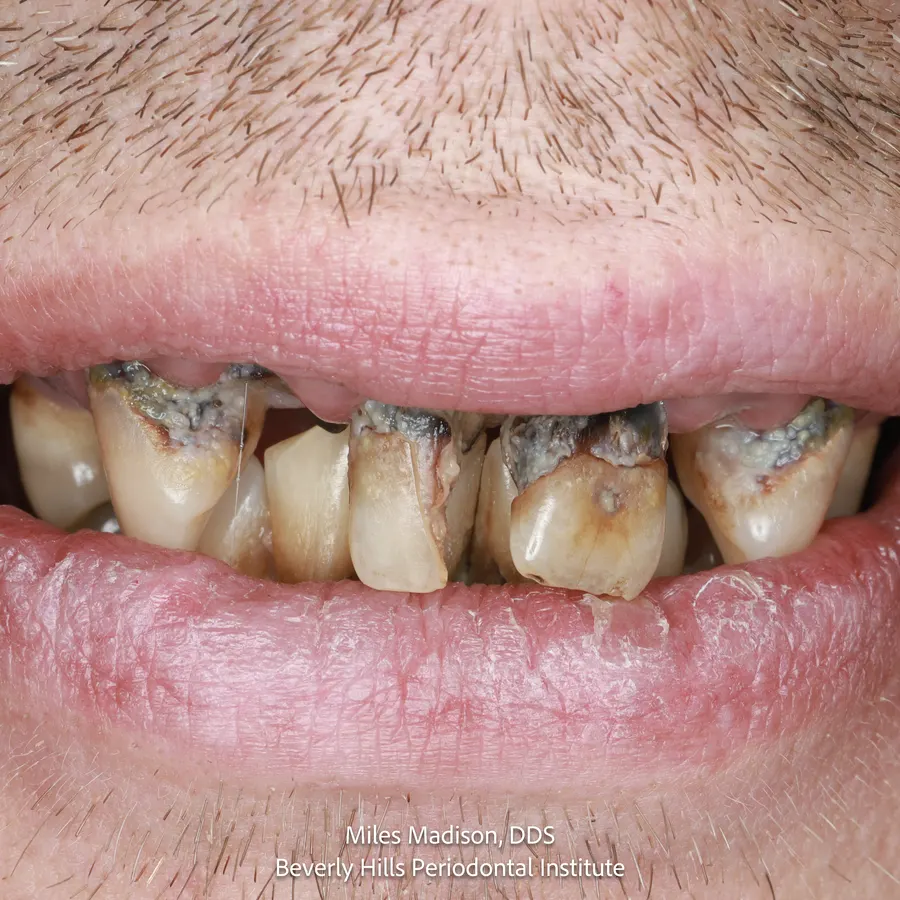
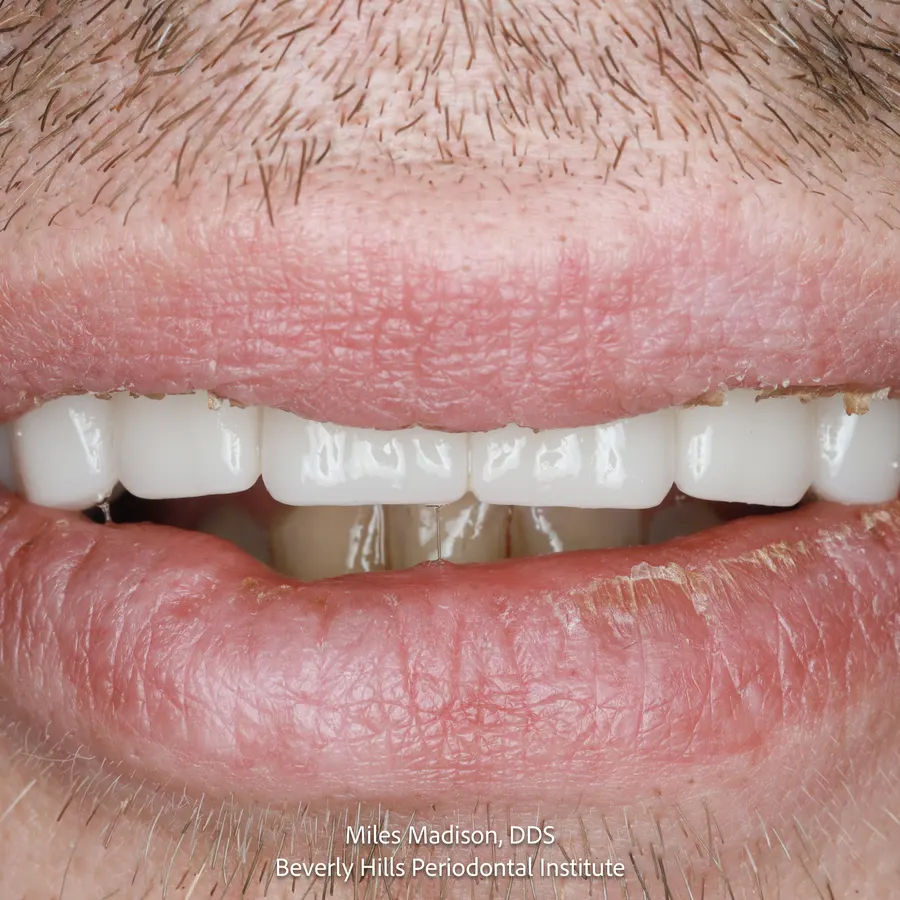
Compare the photographs to see the area before and after treatment.
Dental Implants FAQ
Questions about dental implants.
Am I a candidate for an implant?
We look at your bone and gum health, medical history, and ability to keep the area clean. If the site lacks bone or gum tissue, grafting may make an implant possible.
What if I am nervous about surgery?
Tell us when you book. We can explain local anesthesia and the sedation options that may be suitable for you.
What will dental implant treatment cost?
The cost depends on the number of implants, whether grafting is needed, and the final teeth being made. After an examination, we provide a written treatment plan and estimate. Your restorative dentist can explain the cost of the crown, bridge, or other final restoration.
How long do implants last?
Implants can serve for many years, but complications can occur. Home care, regular maintenance, smoking, medical conditions, and the restoration all influence long-term health.
Will I have a temporary tooth?
For a visible tooth, we plan any temporary replacement before surgery with your dentist. The best option depends on the treatment.
Which implant systems do you use?
We work primarily with Straumann, including iEXCEL, and use other systems and ceramic implants where appropriate. We explain the choice for your case.
Why see a periodontist?
Periodontists have additional training in the gum and bone around teeth and implants. That expertise is particularly relevant when grafting, gum disease, or an existing implant complication is involved.
Related treatments
- Bone & Sinus Grafting Bone grafting to rebuild areas that need more support before implant placement. Read more
- Peri-Implantitis Care Assessment and treatment of inflammation and bone loss around dental implants, including implants placed elsewhere. Read more
- Sedation & Anesthesia Local anesthesia and sedation options to help you feel comfortable during treatment. Read more
Consultation
Discuss your replacement options.
Bring any scans or treatment plans you already have. We can tell you what implant treatment would involve in your case.